


Lead qualification criteria can make or break your sales process. At On Point Legal Leads, we’ve seen firsthand how refining these criteria can dramatically boost conversion rates and streamline sales efforts.
This post will guide you through the key components of effective lead qualification and provide strategies to optimize your process. By the end, you’ll have actionable insights to improve your lead qualification and drive better results for your business.
Why Lead Qualification Matters
The Power of Precision
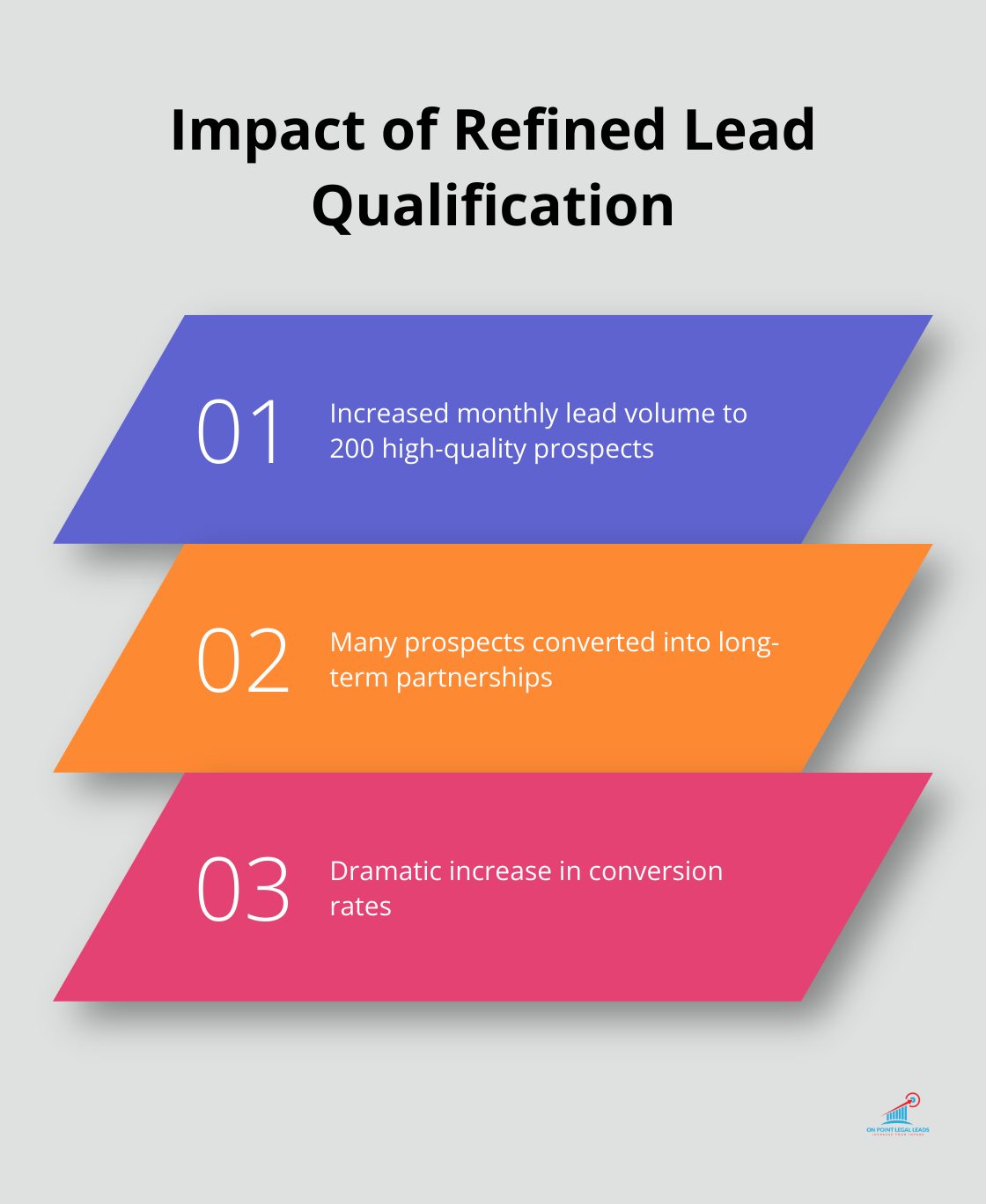
Lead qualification forms the backbone of successful sales strategies. It identifies which potential clients are most likely to convert. For law firms, this means pinpointing individuals who not only need legal services but are also ready and able to engage them. A study by MarketingSherpa reveals that monthly lead volume increased to 200 high-quality prospects, with many converting into long-term partnerships. This statistic underscores the importance of refining your qualification process. Focus on quality over quantity to increase your conversion rates dramatically.The Cost of Poor Qualification
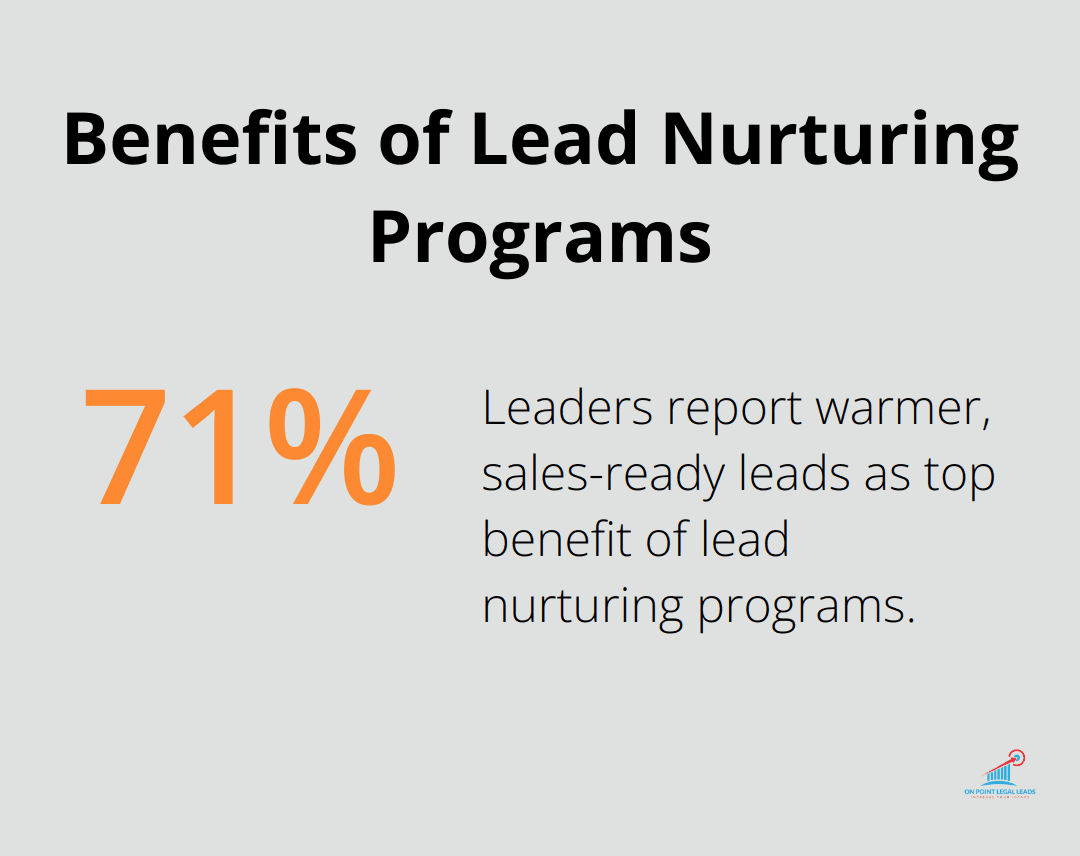
Poor lead qualification can be expensive. Time spent on unqualified leads means less time for high-potential clients. A report from Madison Logic shows that 71% of leaders executing lead nurturing programs indicate warmer, sales-ready leads as the top benefit, with 23% seeing a 30% increase.Red Flags in Your Qualification Process
Watch out for these common pitfalls:- Overreliance on demographics: While important, demographic data alone doesn’t tell the whole story.
- Ignoring behavioral signals: A prospect’s actions often speak louder than their profile.
- Neglecting to assess decision-making authority: Engaging with individuals who can’t make purchasing decisions wastes resources.
Multi-Faceted Approach to Qualification
To avoid these traps, implement a multi-faceted approach. Combine demographic data with behavioral analysis and direct communication to get a complete picture of each lead’s potential. Effective lead qualification isn’t static. It requires ongoing refinement based on your results and changing market conditions. Continuous improvement of your process will lead to a steady increase in the quality of your leads and, ultimately, your conversion rates.The Role of Technology in Lead Qualification
Modern lead qualification benefits greatly from technological advancements. Customer Relationship Management (CRM) systems and AI-powered analytics tools can help you track, analyze, and predict lead behavior with unprecedented accuracy. AI tools can identify legal terms potential clients are searching for and help your website rank higher for those searches. These tools (when used correctly) can significantly enhance your qualification process, allowing you to focus your efforts on the most promising leads. As we move forward, let’s explore the key components that make up effective lead qualification criteria. Understanding these elements will help you build a robust framework for identifying and nurturing your most valuable prospects.What Makes a Lead Truly Qualified?
The Demographic Foundation
Demographics form the base of lead qualification, but they don’t tell the whole story. For law firms, relevant factors include age, location, income level, and occupation. A 45-year-old middle-income individual in a high-risk occupation might be a prime candidate for personal injury services (if other qualifying criteria align).Behavior: The True Indicator
Actions reveal more about a lead’s intentions than their demographic profile. Key behavioral indicators include:- Website engagement: Time spent on specific practice area pages
- Content interaction: Resource downloads or video views
- Search patterns: Legal terms researched
- Contact frequency: Frequency of information requests
BANT Framework: A Proven Method
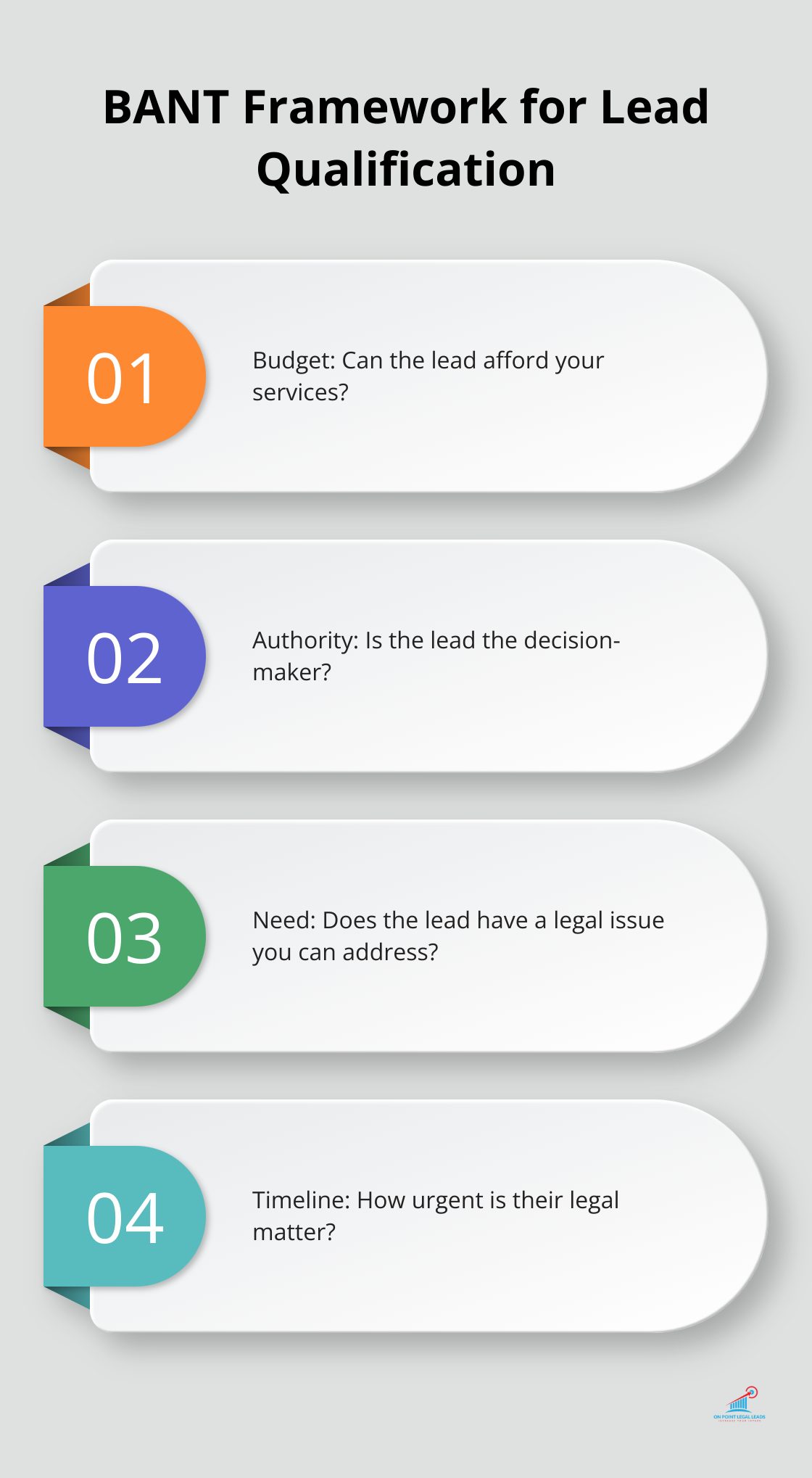
The BANT framework is a sales strategy that breaks the sales qualification process down into four main categories:- Budget: Can the lead afford your services or qualify for contingency-based representation?
- Authority: Is the lead the decision-maker, or do they need to consult with family members?
- Need: Does the lead have a legal issue that your firm can address effectively?
- Timeline: How urgent is their legal matter? Are they ready to proceed with legal action?
Alignment with Ideal Client Profile
Your Ideal Client Profile (ICP) should guide your lead qualification process. This profile extends beyond basic demographics to include:- Case complexity
- Potential case value
- Communication preferences
- Long-term client potential