


Table of Contents
At On Point Legal Leads, we specialize in providing premium, targeted leads for personal injury attorneys, ,including those handling distracted driving accidents.
As experts in lead generation, we understand the importance of educating both attorneys and potential clients about critical issues like distracted driving accidents.
Let’s delve into this crucial topic to better understand the impact and implications of these incidents.
Distracted driving is a growing problem on our roads, leading to an increasing number of accidents. As we rely more on smartphones and in-car tech, the risks of not focusing on driving increase. This guide looks at the dangers of distracted driving, how it affects road safety, and what’s being done to prevent these accidents.
The Big Picture: Distracted Driving by the Numbers
- Deaths: 3,522 people died in 2021 due to distracted driving
- Injuries: About 362,415 people were hurt in distraction-related crashes in 2021
- Crash percentage: 8% of deadly crashes and 14% of all reported crashes involve distracted driving
- Money impact: $129 billion in total costs each year from these incidents
These numbers from the National Highway Traffic Safety Administration (NHTSA) show we need to take distracted driving seriously. The real numbers might be even higher because it’s hard to prove distraction in crashes.
Young drivers are most at risk of being involved in these accidents. Drivers under 20 have the highest rate of fatal crashes due to distraction. This is likely because they’re new to driving and very comfortable with technology, increasing their likelihood of causing distracted driving incidents.
What Causes Distracted Driving Accidents?
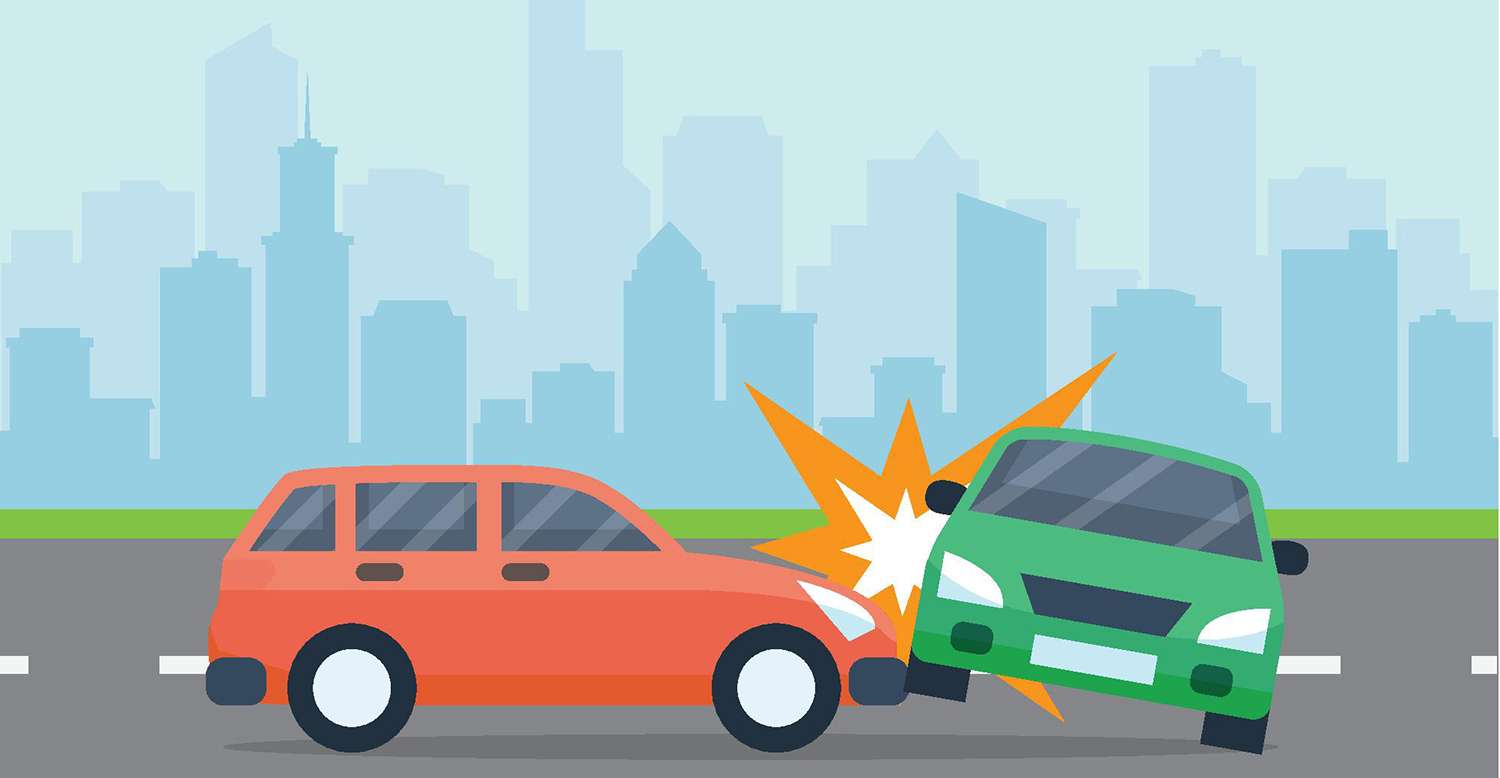
There are three main types of distraction that can lead to these accidents:
- Visual: Taking your eyes off the road
- Manual: Taking your hands off the wheel
- Cognitive: Taking your mind off driving
Visual distractions include looking at your phone, checking GPS, or looking at passengers. Even a quick glance can be dangerous. At highway speeds, you can travel the length of a football field in just a few seconds while looking away that often leads to a car accident.
Manual distractions happen when you take your hands off the wheel. This includes eating, drinking, or reaching for things in the car. These actions make it harder to react quickly to sudden changes on the road, increasing the risk of a crash.
Cognitive distractions occur when your mind isn’t focused on driving. This can happen during phone calls (even hands-free), when you’re lost in thought, or thinking about work problems. Your brain can’t fully focus on two complex tasks at once, making this type of distraction very risky.
Texting is especially dangerous because it combines all three types of distraction. When you text, your eyes are off the road for about 4.6 seconds on average. At 55 mph, that’s like driving the length of a football field with your eyes closed!
Common Causes of Distracted Driving Collisions
- Using cell phones (texting, calling, using apps)
- Eating or drinking
- Grooming (applying makeup, combing hair)
- Adjusting car controls (radio, AC, GPS)
- Looking at things outside the car (accidents, billboards)
- Daydreaming or being lost in thought
The Impact of Distracted Driving Incidents
- Deaths and serious injuries
- Property damage
- Legal trouble
- Financial consequences
- Mental health issues
- Effects on family and community
The worst outcome of these accidents is loss of life. Families are left heartbroken, and communities lose valuable members. Survivors often face long-lasting or permanent disabilities.
Property damage can be extensive. It’s not just about the vehicles involved – roadside structures, buildings, or other property can be damaged too. Repairs or replacements can be very expensive.
Legal consequences can be severe. Responsible drivers might face fines, lose their license, or even face criminal charges in serious cases. Some places treat distracted driving as seriously as drunk driving incidents. Drivers might also be sued by victims or their families.
The financial impact goes beyond just fixing a car. Medical bills can be huge, especially for long-term care. Lost wages, higher insurance costs, and legal fees can create lasting money problems.
Mental health is often overlooked after these incidents. Survivors might experience PTSD, anxiety, depression, or guilt. These issues can last long after physical injuries heal, affecting relationships, work, and overall quality of life.
Distracted driving accidents can strain or break relationships, especially if a family member caused the crash. The need for long-term care can put enormous stress on families. Communities may also be affected, particularly in high-profile cases that lead to local activism or changes in traffic laws.
Fighting Distracted Driving And The Accidents They Cause
- Laws: Banning texting and handheld phone use while driving
- Education: Programs to teach people about the dangers
- Technology: In-car features and apps to reduce distractions
- Work policies: Company rules against distracted driving
- Enforcement: Police efforts to catch and punish distracted drivers
- School programs: Teaching new drivers about the risks
Many places have passed laws to stop distracted driving. Most states ban texting while driving, and many ban all handheld phone use. These laws aim to discourage risky behavior and give police tools to address the problem.
Education campaigns are crucial in prevention. Organizations like NHTSA and the National Safety Council run programs to raise awareness. They often focus on young drivers, using social media, ads, and community events to spread the message about the dangers. Clearly, distracted driving generates car accident leads.
Technology is becoming part of the solution. Some cars have features that disable certain phone functions while driving. Phones have “Do Not Disturb While Driving” modes that activate automatically. There are also apps that block calls and texts or send auto-replies while you’re driving.
Many companies have rules about distracted driving for their employees. These policies often ban all phone use while driving for work, even with hands-free devices. This protects employees and reduces company liability from potential accidents.
Police often run campaigns to catch distracted drivers before they cause accidents. These efforts, like drunk driving checkpoints, aim to enforce laws and discourage risky behavior. Some places use creative methods, like having officers pose as construction workers to spot distracted drivers.
Schools are including distracted driving awareness in driver’s ed programs. By teaching new drivers about the risks early, they hope to create safer drivers. These programs often use simulations and personal stories to show the potential consequences.

What to Do After a Distracted Driving Accident
If you’re in a distracted driving accident:
- Get medical help, even for minor injuries
- Document the scene (take photos, make notes)
- Collect information from others involved
- File a police report
- Contact a lawyer experienced in these cases
- Inform your insurance company
- Keep detailed records of all expenses related to the accident
Preventing Distracted Driving Occurences
- Put your phone away
- Plan ahead (set GPS, choose music before driving)
- Pull over if you must do something else
- Speak up if you’re a passenger and the driver is distracted
- Use tech wisely (like apps that block notifications while driving)
- Stay focused on driving
- Educate others about the risks
Are You a Personal Injury Attorney Looking for Quality Distracted Driving Accident Leads?
At On Point Legal Leads, we understand the devastating impact of these incidents. That’s why we’re committed to connecting skilled attorneys like you with individuals who have been affected by distracted driving accidents.
Don’t waste time and resources on unreliable lead sources for these cases. Partner with us and experience the difference that premium, targeted physical injury leads, including those for distracted driving accidents, can make for your practice. We pride ourselves on being the best in the industry, offering unparalleled support and results for attorneys handling these cases.
Ready to grow your practice and help more victims? Call On Point Legal Leads now!